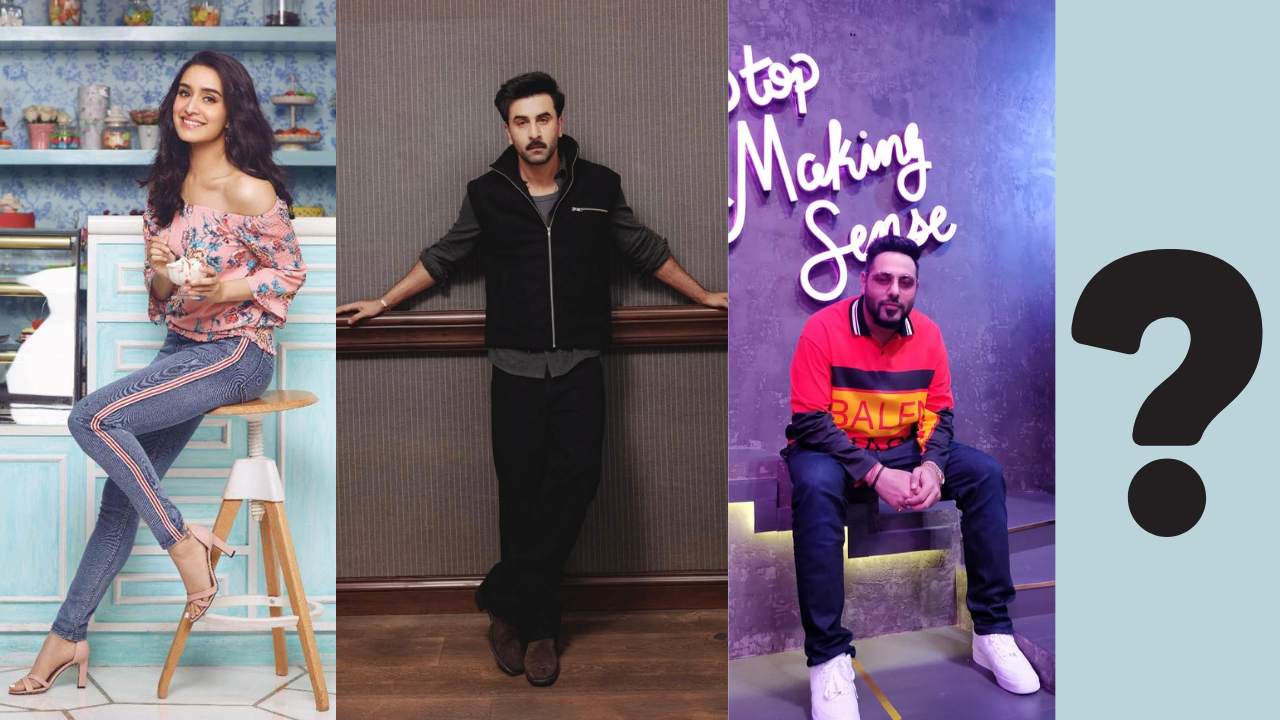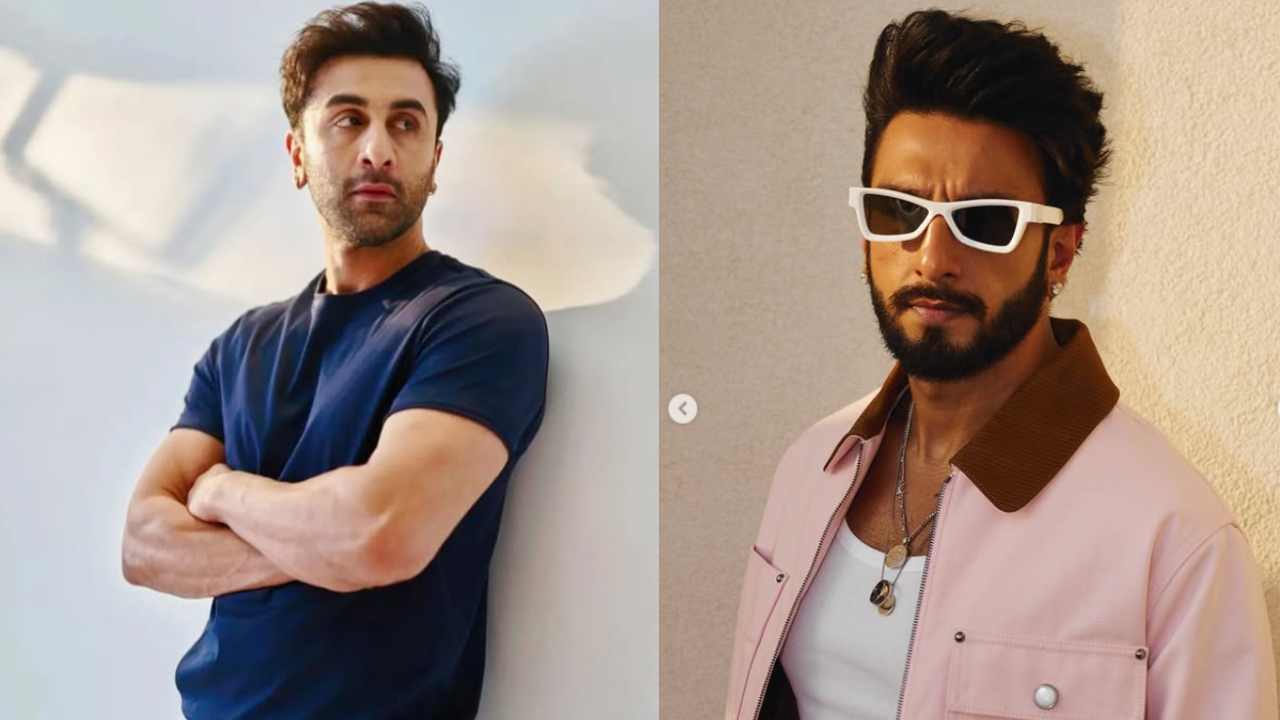
When public figures enter entrepreneurship, the conversation frequently gravitates toward glamour and visibility rather than the underlying economics of the ventures they are attempting to build. The businesses launched by Ranveer Singh and Ranbir Kapoor — SuperYou in November 2024 and ARKS in February 2025 — demonstrate why that tendency obscures more than it reveals. Although the two actors entered consumer-facing categories within months of each other, the strategic choices reflected in their early performance data indicate that they are operating under fundamentally different expectations of scale, distribution and longevity. Their first-year numbers do not merely record commercial progress; they illuminate how sharply the structure of a category can shape the trajectory of a brand, irrespective of celebrity influence.
SuperYou: an FMCG newcomer that reached national scale
SuperYou’s entry into the functional snacking market coincided with a decisive shift in Indian consumption behaviour, in which protein-rich snacks began transitioning from a specialised fitness-product niche into a mainstream, quick-commerce-driven routine. The brand launched its initial line — protein wafers, multigrain chips and related formats — with an explicit focus on mass-market acceptability rather than targeting only health-focused consumers. Within twelve months, the company reported an annual recurring revenue of ₹150 crore and more than 15 million units sold, a scale of early-volume performance rarely seen among first-year FMCG ventures without legacy distribution networks.
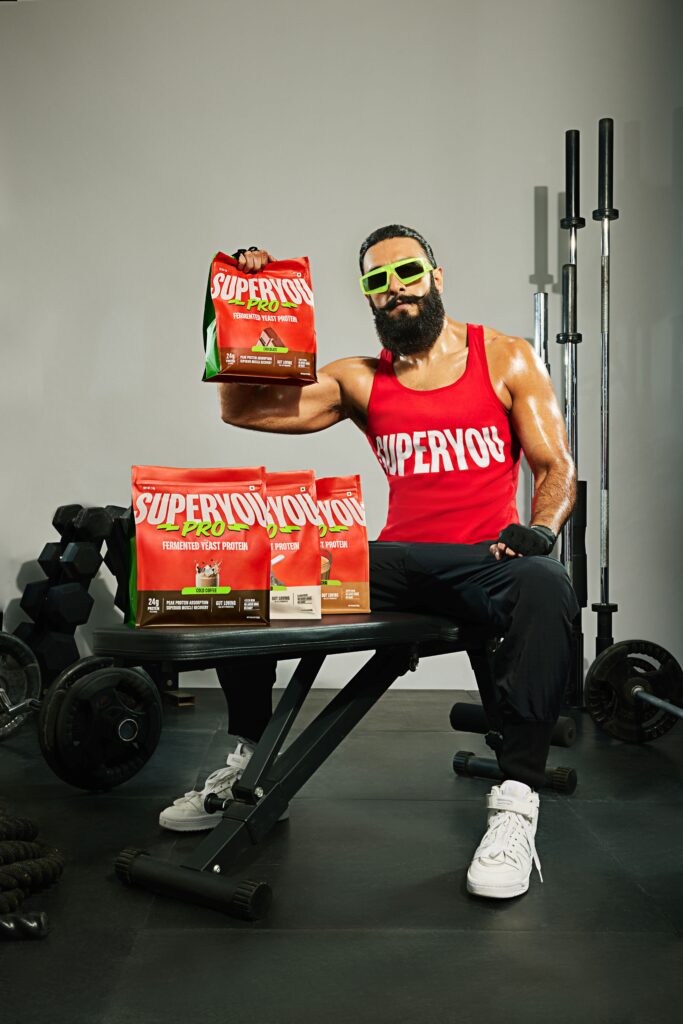
Supporting this revenue is a presence that spans the full spectrum of Indian retail: availability across Amazon, Flipkart, Blinkit, Swiggy Instamart, Zepto and the brand’s own D2C channel, in addition to more than 4,500 modern-trade and general-trade outlets spread across metro and Tier-2 markets. For a category that depends overwhelmingly on repeat purchases and wide physical visibility, SuperYou’s distribution footprint indicates a substantial investment in supply chain and market penetration. Considering that India’s broader snacks segment has been valued by multiple industry reports at between ₹42,000 crore and ₹46,500 crore in 2024, the brand’s first-year revenue suggests that it has successfully secured a position in a fragment of the market that is expanding faster than traditional salted snacks.
SuperYou’s founders have made clear their intention to amplify product development and broaden the brand into a comprehensive functional-snacking portfolio, with long-term ambitions to approach the ₹1,000 crore threshold. Yet the FMCG sector is known for volatility once early momentum stabilises. The next stage of the company’s trajectory will depend on its ability to defend margins, manage competitive replication, expand beyond early hero SKUs and build sustained consumer loyalty in a space where novelty tends to erode quickly.
ARKS: a lifestyle brand pursuing identity before acceleration
Ranbir Kapoor’s ARKS, launched on February 15, 2025, emerged not as a mass-market proposition but as a deliberately curated lifestyle label positioned around minimalist aesthetics, premium basics and design-centred retail. The flagship store in Bandra established the initial brand vocabulary through footwear and apparel, after which the company expanded into more than 150 SKUs and introduced its first fragrance, ARKS Day. The brand’s progression reflects a strategy built on coherence rather than velocity, particularly in a category where premature scaling frequently results in overextension and subsequent consolidation.

Financially, ARKS is on a steadier and more measured path. The company is targeting approximately ₹36 crore in revenue for FY26 and has outlined plans to open two additional stores in 2025 — one in Delhi and another in either Pune or Chandigarh — thereby extending its omnichannel presence beyond Mumbai. The leadership has articulated a medium-term goal of building the venture toward ₹100 crore in revenue within three years while expanding its e-commerce and global-shipping capabilities. Such a trajectory, although modest compared to the explosive figures of FMCG, aligns closely with the economics of the Indian premium lifestyle market, where growth is typically linear and dependent on repeat customers, controlled inventory cycles and distinctive brand identity.
The early design decisions undertaken by ARKS suggest a long-term view of brand-building rather than a pursuit of short-term volume. Success in this category will depend not on distribution breadth but on the consistency with which the brand can deliver quality, maintain design coherence and cultivate loyalty among consumers who are increasingly gravitating toward domestic labels that occupy the middle space between high street and luxury.
Why the two ventures cannot be evaluated through the same framework
Although both brands operate under celebrity-founded leadership, the similarities end there. SuperYou exists in a category that demands high velocity, wide access and frequent consumption; its economics are shaped by margins, supply-chain efficiency and rapid territorial expansion. ARKS, by contrast, operates in a segment where brand equity develops through repeat purchases, measured retail rollouts and design consistency, and where survival depends more on identity than volume.
SuperYou’s ₹150 crore ARR in its first year signals strong product–market fit but does not guarantee long-term defensibility in a competitive FMCG landscape. ARKS’s relatively measured early revenue reflects the deliberate pace common to fashion and lifestyle brands that prioritise durability over scale. Assessing one through the metrics of the other would misrepresent not only their present performance but the nature of the sectors they represent.
The next stage: consolidation for one, acceleration for the other
What the next two years will reveal is whether SuperYou can translate early adoption into sustained loyalty while widening its portfolio to stabilise margins, and whether ARKS can deepen its customer base while expanding its physical footprint without diluting its design identity. Both brands have moved beyond the superficial stage of celebrity endorsements and into the operational realities of building consumer companies in India. Their early numbers confirm that their founding actors have established distinct positions in two very different markets, each with its own risks, expectations and definitions of success.
Together, they reflect a broader transition in India’s celebrity entrepreneurship landscape, in which ventures increasingly rely on structured strategy, sector-specific knowledge and disciplined execution rather than visibility alone. Their continued trajectories will offer one of the clearest case studies of how contemporary celebrity brands are being built — and what ultimately determines whether they endure.