It’s easy to mistake Priyanka Chopra Jonas for a symbol of glamour — red carpets, global premieres, front-row fashion weeks. But behind that shine lies one of the most structured entrepreneurial stories in entertainment. Over two decades, Priyanka has quietly turned her career into a diversified portfolio spanning film production, beauty, technology, food, and homeware — and she’s done it with an approach more measured than manicured.
She doesn’t talk in buzzwords like “founder” or “CEO”. She talks about ownership, discipline, and independence. The result: a business ecosystem that is deliberate, data-backed, and deeply personal.
Producing Power: The Purple Pebble Strategy
In 2015, long before “actor-producer” became fashionable in Bollywood, Priyanka founded Purple Pebble Pictures (PPP). It wasn’t an extension of her fame — it was an experiment in control. PPP was built to back smaller regional films, giving young talent and fresh scripts a platform that the mainstream industry often overlooked.

The company’s first Marathi film, Ventilator (2016), turned into a critical and commercial success, winning three National Film Awards. Later, Paani received national recognition for environmental storytelling. For Priyanka, these weren’t just creative victories; they were business validations. By owning production rights, she built intellectual property — a recurring revenue stream that outlives individual performances.
PPP marked a quiet shift in her professional economics. Instead of being hired for projects, she began hiring herself — and others — under her own creative governance. It was less about stardom and more about structure.
A Beauty Brand that Chose Scale Over Shine
When Priyanka launched her haircare label Anomaly in the United States in 2021, the move looked predictable on the surface — another celebrity in beauty. But what she built was the opposite of the celebrity playbook.
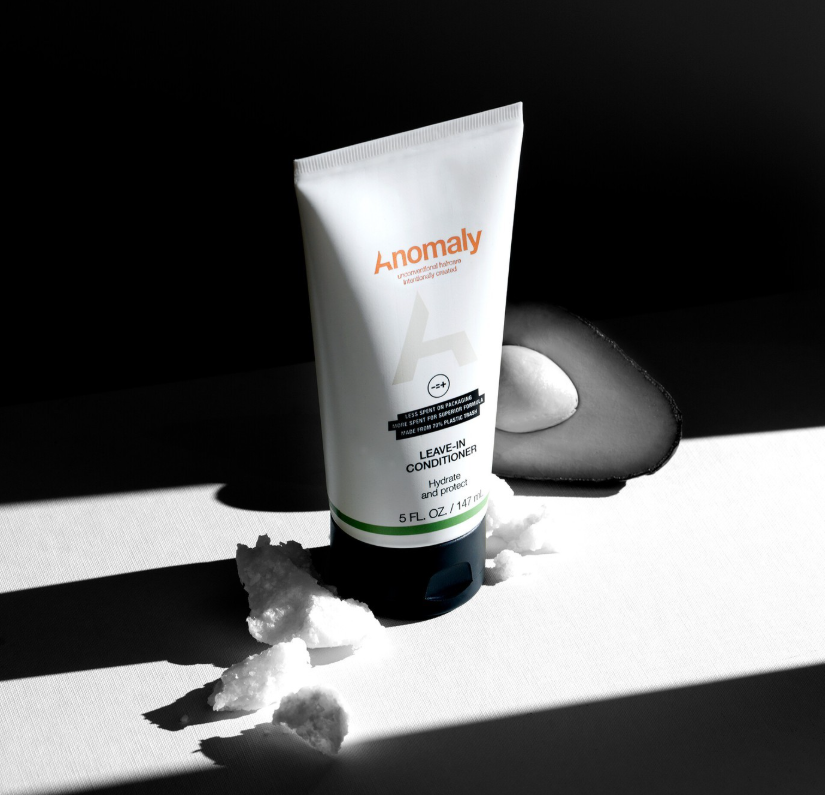
Anomaly entered the market through Target stores, priced under six dollars, and packaged in bottles made from 100% recycled plastic. In other words, a value brand designed for mass adoption, not exclusivity.
The positioning was clever: sustainable, vegan, cruelty-free, and affordable — a rare combination in the beauty aisle. Priyanka didn’t just endorse the brand; she co-built it from scratch, working with established beauty incubator Maesa to ensure scalability.
Within two years, Anomaly entered India — her home market — while maintaining the same pricing philosophy. This wasn’t about luxury; it was about reach. Priyanka often says she wants Anomaly to be “one of the top global haircare brands” — not a niche label sitting on a celebrity’s shelf.
SONA and the Art of Knowing When to Exit
The next chapter unfolded in hospitality. In 2021, Priyanka co-founded SONA, a contemporary Indian restaurant in New York, celebrating Indian food with global aesthetics. A year later, she extended it into SONA Home, a homeware line inspired by Indian craft and heritage.
It looked like a textbook brand extension — food, design, lifestyle. But in 2023, she made an unexpected decision: she exited the business. By mid-2024, the restaurant announced it would close.
There was no drama, no denial. Just a clean, considered exit. For Priyanka, it wasn’t failure — it was focus. She had built the brand, proved its aesthetic potential, and chose to move on when her creative or operational bandwidth no longer matched the business’s direction.
That’s the kind of decision many entrepreneurs struggle to make — walking away at the right time rather than waiting for numbers to force the call.
Investing Like an Insider, Not a Tourist
Priyanka’s portfolio goes well beyond what’s visible on magazine covers. She has invested in Bumble, helping the women-led dating app expand into India — not just as a face, but as a strategic investor and advisor.
Her other bets include Holberton School, a software education platform; Apartment List, a rental marketplace; Perfect Moment, a luxury ski-wear label; and consumer-focused startups like Olipop (a healthy soda alternative) and Rob’s Backstage Popcorn.

What’s striking is her pattern. She invests in sectors where she can add more than capital — consumer goods, women-led technology, and brands with storytelling depth. These are not speculative cheques; they are extensions of her public identity and her understanding of audience psychology.
Each investment fits into a wider philosophy: if she can help it grow, she’ll back it.
A Money Philosophy Rooted in Independence
Ask Priyanka about money, and her tone is practical rather than performative. She credits her mother for teaching her early on that financial independence is non-negotiable. Even at the height of her fame, she speaks of money as security, not status — a tool that buys freedom, not fame.

She rarely discusses net worth, properties, or luxury assets, even though she owns prime real estate across Mumbai, Los Angeles, and New York. What she does talk about is discipline: learning how to save, when to invest, and why control matters.
“You need to be responsible for your finances and be financially independent.“
For an actress who started in a male-dominated film industry and went on to build global credibility on her own terms, that lesson runs deep. Independence isn’t just emotional — it’s economic.
The Framework That Ties It All Together
At first glance, her ventures look disconnected — films, haircare, restaurants, tech startups. But there’s logic behind the spread:
- Creative control: Purple Pebble Pictures ensures she owns IP rather than renting her talent.
- Mass-market relevance: Anomaly focuses on affordability and sustainable scale.
- Strategic exits: SONA showed she knows when to step away cleanly.
- Cross-sector exposure: Her investments create financial balance outside entertainment.
- Core values: Every move echoes her belief in independence, inclusion, and authenticity.
It’s a portfolio that mirrors her personal brand — cross-cultural, inclusive, and built to last.
What Her Playbook Teaches
You don’t need Priyanka Chopra’s fame to learn from her financial framework. You need her logic.
- Own what you create. Whether it’s intellectual property or personal expertise, control your assets.
- Build for value, not vanity. Choose businesses that solve real problems, not ones that just look glamorous.
- Diversify intelligently. Spread risk across sectors — but always within your circle of competence.
- Exit gracefully. Walking away can be as powerful as starting up.
- Stay financially grounded. Independence isn’t a slogan; it’s the ability to say no when something doesn’t fit.
The Takeaway
Priyanka Chopra’s global success isn’t just cinematic — it’s strategic. Her rise from Bollywood actor to global entrepreneur is marked by clarity of intent: she doesn’t chase every opportunity; she curates. She builds brands that can outlive her fame.
And perhaps that’s the sharpest lesson of all. In a world obsessed with quick wins and loud ventures, Priyanka Chopra is playing the long game — where purpose meets profit, and ownership is the real luxury.
Priyanka Chopra Jonas owns and operates several ventures, including Purple Pebble Pictures, her Mumbai-based production house; Anomaly, a sustainable haircare brand; and previously SONA, a contemporary Indian restaurant in New York. She has also launched SONA Home, a luxury homeware brand inspired by Indian craftsmanship.
Founded in 2015, Purple Pebble Pictures (PPP) is Priyanka’s production company focused on regional cinema. It has produced award-winning films such as Ventilator (Marathi) and Paani, supporting new talent and creating space for diverse storytelling in Indian cinema.
Launched in 2021, Anomaly is a vegan, cruelty-free, and eco-conscious haircare brand co-created by Priyanka in partnership with beauty incubator Maesa. The brand focuses on affordability and sustainability, with products packaged in 100% recycled plastic and priced under $6 in the US market.
Priyanka’s entrepreneurial path offers five key lessons:
Own what you create.
Build for value, not vanity.
Diversify intelligently.
Exit gracefully.
Stay financially grounded.
While exact figures vary, Priyanka’s estimated net worth exceeds ₹600 crore, including her earnings from films, global brand endorsements, and multiple business ventures. She owns properties in Mumbai, New York, and Los Angeles.