There was a time when books arrived quietly, stacked on bookstore shelves and waiting patiently to be discovered by chance. Today, they arrive with countdowns, reels, pre-orders and communities already waiting. The shift shows a deeper transformation in how literature is positioned within the modern economy. What was once perceived as a solitary creative pursuit is now increasingly recognised as a structured ecosystem where storytelling, visibility and strategy intersect.
Globally, publishing is estimated to generate more than $120 billion annually, according to the International Publishers Association, with digital formats and rights-based revenue streams steadily expanding. In India, regional language publishing is seeing renewed momentum as discovery shifts to social media and direct-to-reader ecosystems. Authors are no longer just creators; they are increasingly becoming custodians of intellectual property, building audiences and extending their work across formats.
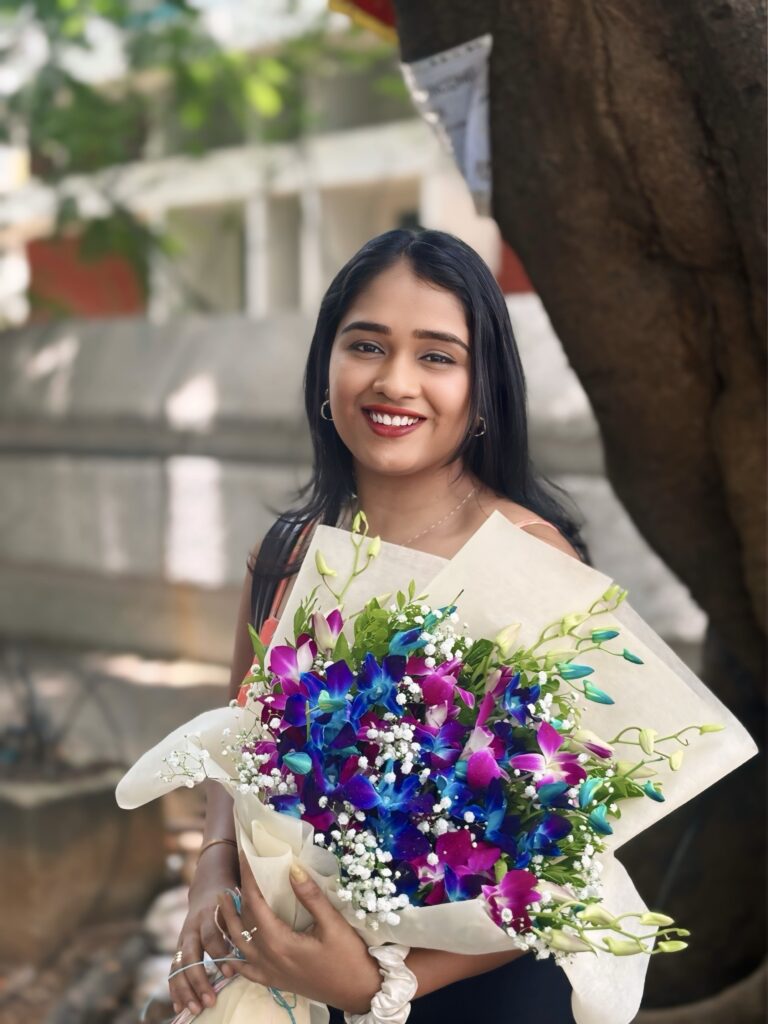
At the centre of this constantly changing space is Malayalam author Nimna Vijay, whose journey shows us how the boundaries between art and enterprise are being renegotiated. In an interaction with Glam and Gain, she speaks with striking candour about visibility, sustainability and the importance of treating writing as both craft and career without hesitation.
The business of books was never new — only the visibility is
For Nimna, the idea that literature is only now becoming commercial is a misconception rooted in perception rather than reality. She believes publishing has always functioned as an industry driven by investments, profits and sales — the difference today is simply that these mechanics are visible to the public in ways they never were before. Social media has pulled back the curtain, making conversations around pre-orders, reprints and rights deals part of everyday discourse.
“I personally feel that books were always part of a money-making industry. Publishing has always worked on investments, profits, sales numbers, and benefits. It’s not something new. The only difference is that earlier, it was not visible.
There was no social media. There were no platforms to loudly announce pre-booking numbers, reprints, or how many copies were sold. Books were released quietly. Readers read silently. Publishers and authors earned their profits, but everything happened behind the curtain.
Today, because of social media, everything is more transparent and visible… So it feels like literature is newly entering an ‘industry phase.’ But I think it was always functioning that way. It’s just more visible now.”
Even as the business side grows louder, she insists the emotional core of literature remains unchanged, stressing that no amount of marketing can compensate for a story that fails to connect deeply with readers. Success, she believes, still rests on emotional resonance rather than reputation alone.
“At the same time, I strongly believe that a book is still an art form… A book survives only if the story truly connects with readers… That emotional impact is what ultimately decides its success.”
Her own entry into writing was far from strategic, shaped more by personal aspiration than professional planning. What began as a simple dream to publish a book gradually evolved into a career once she realised storytelling could be both creatively fulfilling and financially viable.
“I always say I am an accidental writer… I just had one simple dream to publish a book.
But when I published my book and it reached a lot of readers… I realized that writing is not just passion — it can also be sustainable… That’s when I made the decision to become a full-time writer.
So, I would say — I’m a writer by accident, but I’m continuing by choice.”
How social media turned visibility into power
Few forces have reshaped publishing as dramatically as social media, and Vijay’s journey offers a compelling case study in how digital platforms can transform both discovery and career trajectory. Research suggests that nearly a third of younger readers now discover books through social channels, fundamentally altering how authors reach audiences and build communities.
Ms. Vijay recalls how traditional pathways initially offered little support, with bookstores reluctant to stock her work because she was an unknown name. Faced with this reality, she turned to her own platforms, creating content that introduced readers to her writing voice and built curiosity organically. The response not only drove sales but also gave her a direct relationship with readers.
“Honestly, everything I earned as a writer came through social media.
When I approached bookstores to display my book, I got rejected from everywhere… So I kept asking myself: how will readers even know that I exist?
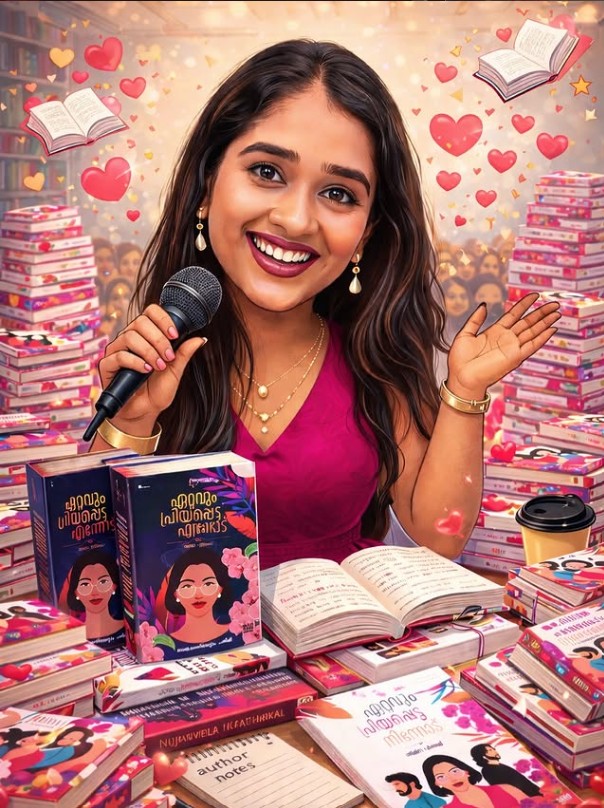
For my second book… I created almost 100 reels… When readers watched those reels, they connected with the lines… That is how my book became a bestseller.
Digital presence didn’t just give me sales, it gave me visibility, identity, and direct access to readers… For me, digital presence was not just marketing. It was empowerment.”
She observes that Malayalam publishing itself has evolved alongside this digital shift, with marketing strategies becoming more dynamic and distribution channels expanding beyond physical bookstores. Books today are positioned more strategically, supported by campaigns, online discovery and multiple revenue streams that extend their lifecycle.
“Marketing has changed the most… books are promoted through reels, teaser videos, author interactions, pre-order campaigns…
Distribution has also evolved… A reader doesn’t have to ‘discover’ a book accidentally anymore. It appears directly on their phone screen.
Monetisation has also diversified… Books are now seen as long-term intellectual properties, not just one-time print products.”
Why modern authors must think beyond the page
Despite her success, Nimna remains pragmatic about the financial realities of writing, urging aspiring authors to approach the profession with patience and awareness rather than romantic idealism. She emphasises that sustainability comes from understanding the market, contracts and revenue structures before making writing a primary income source.
“I don’t think aspiring writers should blindly treat writing as their primary income from the beginning…
Just because you write a good book and promote it well doesn’t automatically mean it will generate strong income…
Writing can definitely become a primary income stream, but not overnight… It’s not about jumping blindly into passion. It’s about turning passion into something sustainable, step by step.”
She is equally clear about the importance of thinking beyond the printed page, viewing books as intellectual property that can expand into translations, speaking engagements and other opportunities when the story resonates widely with audiences. For her, visibility is not vanity but a practical necessity for long-term relevance.
“Yes, I absolutely see opportunities beyond book sales… Once you have a product in your hand, your book, it is up to you how much you want to expand it.
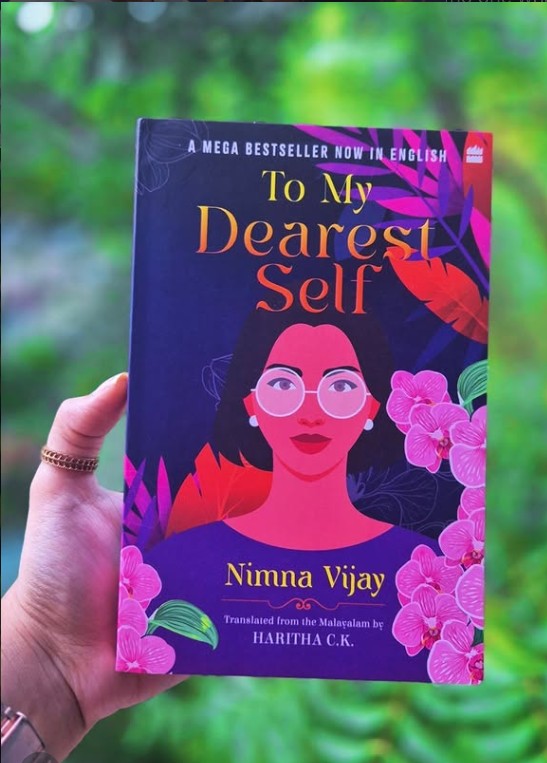
For example, I have already explored translations. My book was translated into English… I also do regular speaking engagements… and that has become a strong income stream for me.
If you think of writing as both art and business, without shame, then these opportunities become natural extensions of your work. There is no harm in earning well from something you created with honesty and effort.”
What ultimately emerges is a portrait of the contemporary author as both creator and strategist, someone who writes in solitude but builds in public. Ms. Vijay’s journey reflects a broader cultural shift, particularly in regional markets, where writers are stepping into visibility and reshaping how literature is perceived.
Literature may still begin with a blank page, but its success today is increasingly shaped by connection, conversation and clarity of intent. And perhaps that is the real turning point, not that books have become business, but that writers are finally willing to speak openly about it.