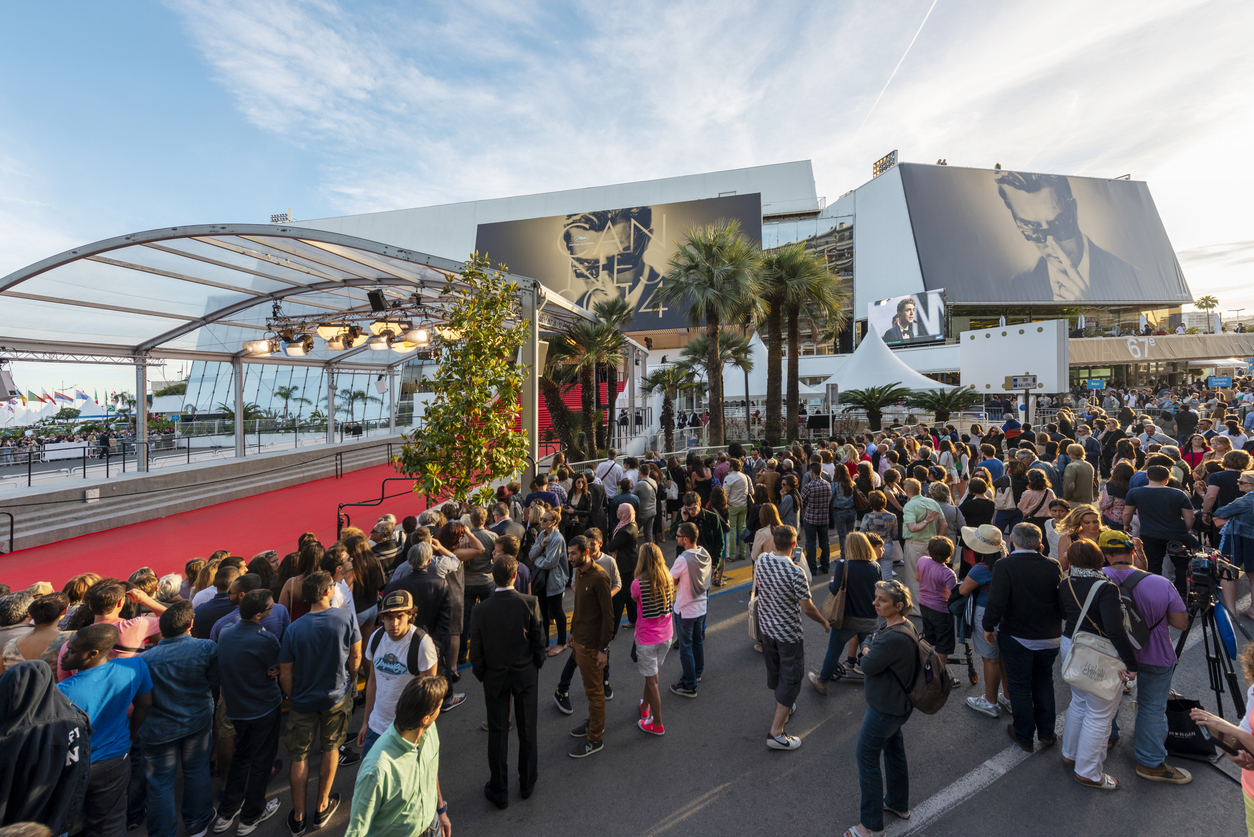
While the world is busy watching couture gowns, celebrity arrivals, and viral red carpet moments at the Cannes Film Festival, the real action at Cannes 2026 is unfolding far away from the flashing cameras — inside the high-stakes negotiation rooms of the Marché du Film, the world’s largest and most influential film marketplace.
This year, the festival received a record 16,000 film submissions, with only 22 films securing a coveted place in the Palme d’Or competition. But beyond artistic prestige, Cannes has evolved into one of the most powerful business ecosystems in global entertainment, where a standing ovation can instantly transform a modest independent film into a multi-million-dollar acquisition target.
At the heart of this cinematic economy is the Marché du Film, which this year brought together over 40,000 industry professionals from 140 countries, all competing for distribution rights, co-production partnerships, streaming deals, and global theatrical access across more than 4,000 films and projects.
A single successful screening at Cannes can dramatically increase a film’s market value overnight. Buyers aggressively compete for territory rights, minimum guarantees, and streaming acquisitions, often securing deals spanning Europe, North America, Latin America, Asia, and the Middle East within days of a premiere.
Japan emerged as the Country of Honour this year, recording a 50% jump in participation, reflecting Asia’s growing influence in the international film economy. The 2026 market also hosted around 1,700 buyers, 600 exhibiting companies, and nearly 1,500 screenings throughout the event.
For Indian filmmakers and studios, Cannes is increasingly becoming less about red carpet visibility and more about international monetisation. As Indian content gains traction on global streaming platforms like Netflix and Prime Video, Cannes offers producers a critical opportunity to recover budgets, secure overseas distribution, and expand into lucrative foreign-language markets.
One of the biggest market movers this season has been Mubi, the arthouse distributor and streaming platform rapidly expanding its global footprint. According to a recent Variety report, Mubi acquired multi-territory rights to Lukas Dhont’s Coward across the U.K., Ireland, Germany, Austria, Italy, Spain, Turkey, Latin America, Australia, and New Zealand. The company also picked up Na Hong-Jin’s Korean thriller Hope, continuing what many insiders are calling Mubi’s “Cannes takeover.”
The production company behind Zendaya’s The Drama and Timothée Chalamet’s Marty Supreme also emerged as a major buyer during the market, signaling how aggressively studios are betting on prestige cinema with strong global commercial potential.
The growing commercial importance of Cannes also reignited debate around influencer participation and paid visibility at the festival. In 2025, several Indian influencers drew backlash after reports claimed they spent between ₹25 lakh and ₹40 lakh for Cannes access and appearances. While some dismissed the criticism, others clarified that many attended through strategic media partnerships designed to create long-term business networking opportunities rather than mere social media exposure.
For serious entertainment players, the real return on investment lies not on the red carpet, but inside the market halls where financing, licensing, and distribution negotiations shape the future of global cinema.
Behind the glamour, Cannes itself operates through a sophisticated business structure. The festival is a non-profit association supported through French government subsidies, accreditation revenue, television rights, and corporate sponsorships. The event receives backing from the National Cinema Centre under France’s Ministry of Culture, while luxury and multinational brands contribute heavily through sponsorship partnerships.
In 2014 alone, corporate partnerships reportedly generated nearly $7 million in revenue. With over 15,000 accredited participants paying premium access fees this year, accreditation revenues alone are estimated to cross $5 million.
Unlike many international competitions, Cannes winners do not receive prize money. Much like the Academy Awards or the Golden Globe Awards, Cannes remains a prestige-driven recognition platform where critical acclaim translates into commercial leverage rather than direct financial reward.
The festival’s luxury ecosystem is powered by global sponsors including Air France, BMW, Chopard, Kering, JP Morgan Chase, L’Oreal Paris and Meta among others.
Beyond branding, many sponsors have also aligned themselves with larger cultural conversations. Chopard crafts the iconic Palme d’Or trophy, while Kering’s “Women In Motion” initiative has spent the last decade spotlighting female filmmakers and gender representation in cinema. L’Oréal Paris, meanwhile, continues its “Lights on Women’s Worth” award launched in 2022 to recognise emerging women directors globally.
At Cannes 2026, the message is clearer than ever: beneath the luxury gowns and celebrity headlines lies a global entertainment marketplace worth billions — where cinema, commerce, power, and prestige collide.